 Image 1 of 1
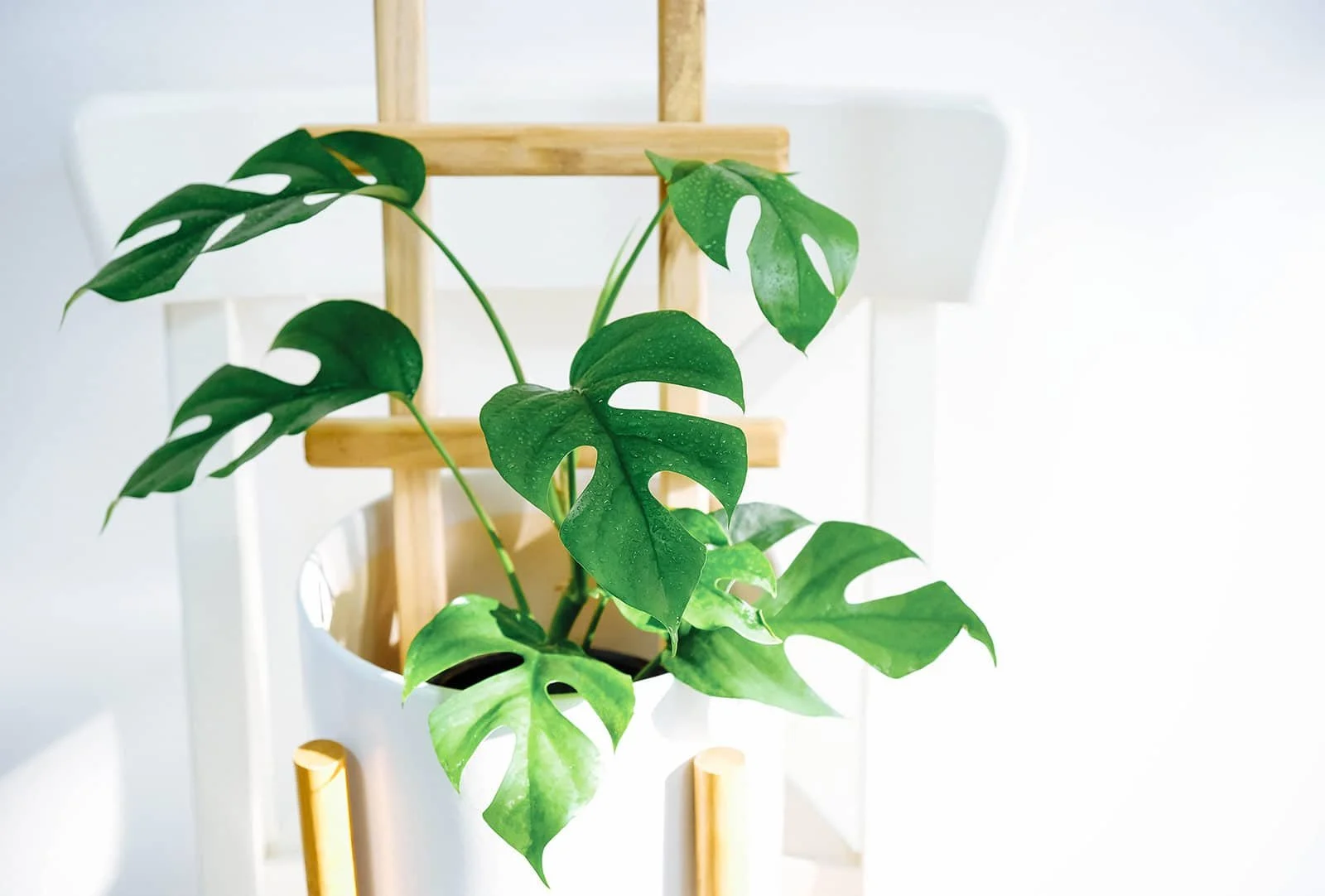
Rhaphidophora Tetrasperma, most commonly known as Monstera Minima or dwarf Monstera, is actually not a monstera at all. Originating from Southeast Asia, specifically Malaysia and Thailand, is and part of the Arums pant family. Best known for being fast growing, compact climbing plant that features deeply split leaves resembling a miniature version of Monstera Deliciosa.
Thrives best in bright, indirect sunlight for 5-8 hours daily, ideally near an East of West facing window. Rhaphidophora Tetrasperma is adaptable to lower light, although often resulting in hindered growth like un-split leaves, slower growth, and legginess. Too much light can result in yellowing leaves.
Prefers a well-draining soil blend, we recommend 1 part potting soil, 1 part orchid bark, 1 part perlite.
Water every 1 -2 weeks, or when 1 -2 inches of soil is dry. Reduce watering frequency during winter months, monitor water intake during temperature changes. Plant in higher humidity to yield best growth results, though can thrive in average conditions.
This fast growing Cactus averages 1 - 2 ft (12 - 24 inches) per year, and can reach a mature height of 4-15 ft (48 - 180 inches). Ensure quality care to maximize growth.
With proper care, Monstera Minima has an expected lifespan of 10+ years, minimal care effort indicate 3 year lifespan with average conditions.
Monstera Minima is a vining, climbing plant, vertical support like a moss pole or trellis encourages healthy growth and prevents stems from becoming sparse.
MONSTERA MINIMA IS CONSIDERED TOXIC to humans, especially small children, cats and dogs, as well as other pets.
Containing insoluble calcium oxalate crystals, which cause immediate irritation, mouth burning, swelling, and vomiting if ingested. It should be kept out of reach of pets and small children, although it is rarely fatal. While the symptoms can be severe and distressing, they are generally not lethal, as the immediate pain usually discourages pets from eating large, fatal quantities. This plants sap can cause irritation, swelling and burning to skin, in most cases this will occur if sap comes to contact with skin for prolonged periods, for example, well repotting or pruning.
Rhaphidophora Tetrasperma, most commonly known as Monstera Minima or dwarf Monstera, is actually not a monstera at all. Originating from Southeast Asia, specifically Malaysia and Thailand, is and part of the Arums pant family. Best known for being fast growing, compact climbing plant that features deeply split leaves resembling a miniature version of Monstera Deliciosa.
Thrives best in bright, indirect sunlight for 5-8 hours daily, ideally near an East of West facing window. Rhaphidophora Tetrasperma is adaptable to lower light, although often resulting in hindered growth like un-split leaves, slower growth, and legginess. Too much light can result in yellowing leaves.
Prefers a well-draining soil blend, we recommend 1 part potting soil, 1 part orchid bark, 1 part perlite.
Water every 1 -2 weeks, or when 1 -2 inches of soil is dry. Reduce watering frequency during winter months, monitor water intake during temperature changes. Plant in higher humidity to yield best growth results, though can thrive in average conditions.
This fast growing Cactus averages 1 - 2 ft (12 - 24 inches) per year, and can reach a mature height of 4-15 ft (48 - 180 inches). Ensure quality care to maximize growth.
With proper care, Monstera Minima has an expected lifespan of 10+ years, minimal care effort indicate 3 year lifespan with average conditions.
Monstera Minima is a vining, climbing plant, vertical support like a moss pole or trellis encourages healthy growth and prevents stems from becoming sparse.
MONSTERA MINIMA IS CONSIDERED TOXIC to humans, especially small children, cats and dogs, as well as other pets.
Containing insoluble calcium oxalate crystals, which cause immediate irritation, mouth burning, swelling, and vomiting if ingested. It should be kept out of reach of pets and small children, although it is rarely fatal. While the symptoms can be severe and distressing, they are generally not lethal, as the immediate pain usually discourages pets from eating large, fatal quantities. This plants sap can cause irritation, swelling and burning to skin, in most cases this will occur if sap comes to contact with skin for prolonged periods, for example, well repotting or pruning.